|
Index of Prehistoric
and Sacred Monuments.
The
last hundred years has been one of great discovery, revealing the
existence of ancient monuments, cities and even whole civilisations
previously unknown or long relegated to myth. In addition, recent discoveries in the
Indian Ocean
(1)
and the Anatolian plateau
(2)
for example, have revealed whole new chapters in the path of human
development following the end of the last great ice-age c. 10,000 BC.
| Featured
Articles: |
Other Categories.
|
|
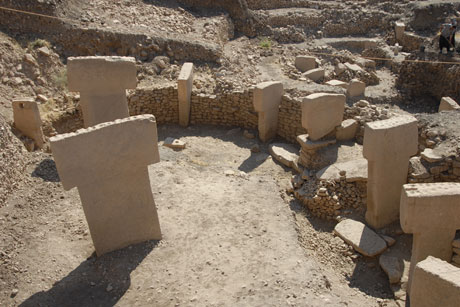 The
Oldest Megaliths in The World. The
Oldest Megaliths in The World.
The discovery of several 9,000 year
old megalithic circles at Gobekli Tepe in Turkey has changed the way we look
at the past. The site has revealed numerous ornately decorated stones
weighing several tons each, as well as the first life-sized figure of a
person.
(More
about Gobekli Tepe) |
|
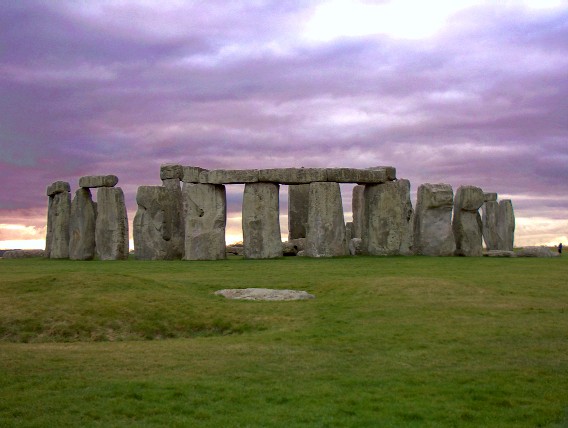 Megaliths
and Astronomy. Megaliths
and Astronomy.
The frequency of
association between prehistoric sites and astronomy reveals an intimate
relationship between our Neolithic ancestors and the universe they found
themselves in. The megaliths are the medium through which they
communicated this and synchronised themselves to the great cycles.
(Archaeoastronomy)
|
|
 Prehistoric
Construction Techniques Prehistoric
Construction Techniques
A look at some of the construction techniques used by the megalithic
builders, and a comparison of certain specific features from different
cultures around the ancient world.
(Construction Techniques)
(Extreme Masonry) |
|
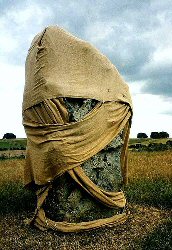 Desecrated
Megaliths Desecrated
Megaliths
Following the rise of the Holy church of
Rome, several edicts emerged from the early Church Councils. The canons
of the Councils of Arles (443-452), Tours (567), Nantes (658), and
Toledo (681 and 693), among others, which contained passages that
condemned worshipping at the pagan sanctuaries and encouraged the
Bishops and all Christians to neglect, to hide, to desecrate, and
destroy them. The negligent destruction of prehistoric sites
continues to this day, as illustrated recently by the great construction
giant 'Tarmac', who have been involved in both the M3 extension
through the
Tara Valley, in Ireland,
and the plans to extend the quarrying at
Thornborough.
(Desecrated
Megaliths) |
|
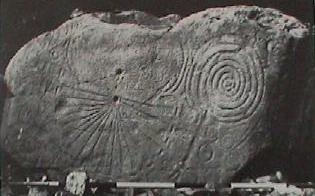 Aligned
Monuments. Aligned
Monuments.
Almost
as important as the megaliths themselves are the alignments into which they
often fall. Evidence of Geodesy across the prehistoric landscape suggests a
more complex view of the ancient world than currently believed.
(Geodesy) (Leylines)
|
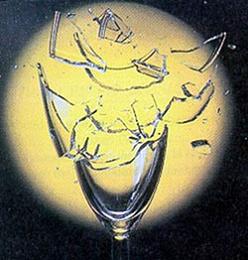 Archaeo-acoustics. Archaeo-acoustics.
The study of 'sound in an archaeological
context'. There are several reports of acoustic phenomena occurring at
prehistoric sties. Not only does rock itself have acoustic qualities, but the
arrangements and dimensions into which it is structured is believed to enhance
the constructions themselves.
(Prehistoric Acoustic
Phenomena) |
|
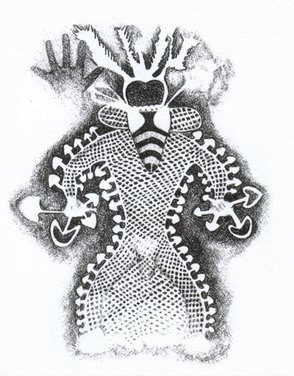 Palaeolithic
Caves. Palaeolithic
Caves.
There are hundreds of Palaeolithic
caves in Europe alone. They probably represent the single most important sources
of cultural material available to us from the Palaeolithic period. The art,
often deep inside the cave systems has revealed us as having been an imaginative
and creative people, capable of designing beautiful and complex works of art
whose meaning can only be guessed at today.
(More about
Palaeolithic Cave Art) |
|
Megalithic Complexes.
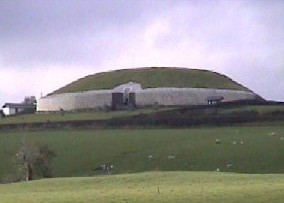
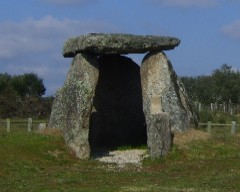
There are several well known 'concentrations' of megaliths in Europe which qualify for the title of 'megalithic
complex'; Names such as the 'Boyne-valley',
the 'Orkneys', 'Carnac',
Malta, Silbury/Avebury and
Evora in Portugal
are some of the better known, but their context
and relationship (if any) remains largely unknown.
The initiation of such a
wide-scale civil-scale constructions, being both sensitively built into the landscape,
whilst incorporating a high level of similar construction skills and resulting
in a common means of tracking the movements of the heavens suggests a common
root. Several of these
complexes have been shown to have been repeatedly re-used over and again
suggesting a politically-shifting but constant cultural thread in Europe for
over 2000 years.
(More about Megalithic Complexes)
(What Makes a Place
Sacred)
(Altered Landscapes) |
|
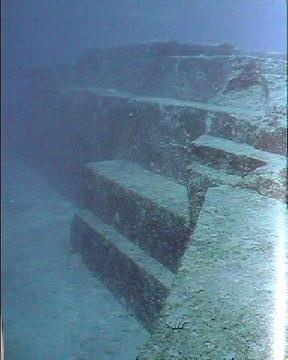 Underwater
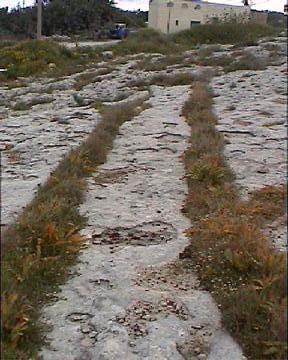 Cart-ruts
 Earth Navels
 Underground
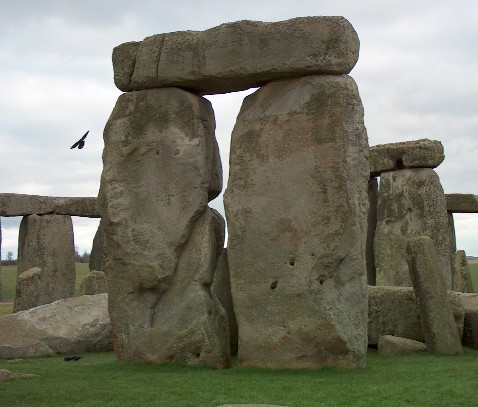 Trilithons
 Holed-Stones
 Stone-rows
 Cursus
 Menhirs
 Vitrified
Forts.
Vitrified
Forts.
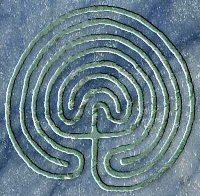 Labyrinths.
|
|